
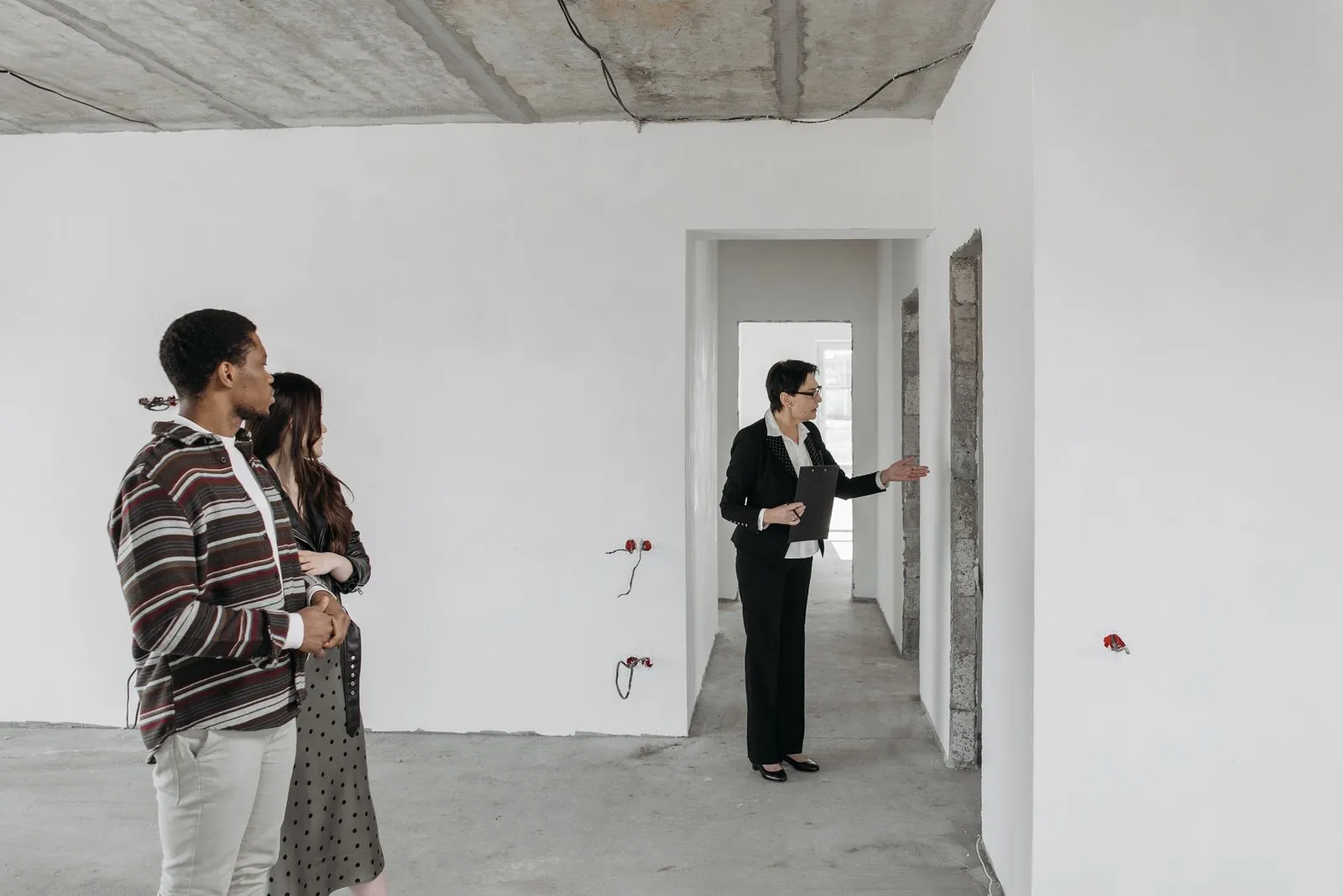
A condo inspection gives you a closer look at the unit’s visible condition before you buy or make plans for repairs. The inspector typically checks finishes, fixtures, and accessible systems, then notes signs of damage or possible maintenance concerns. Shared areas can add context, but access and responsibility vary by building and ownership documents. Knowing what the inspection can—and cannot—cover helps you ask useful questions and decide whether you need follow-up from the condo corporation or a specialist.
Inside the Unit
An inspector usually reviews visible interior finishes, including walls, ceilings, floors, doors, windows, and trim. They look for issues such as cracks, stains, damaged flooring, poor door operation, or signs that a window may not close properly. These observations can point to maintenance needs or areas worth investigating further, but an inspection is generally visual and does not involve opening walls or removing finished materials.
Kitchens and bathrooms receive attention because leaks and worn fixtures can cause costly damage. The inspector may operate accessible faucets, check visible plumbing under sinks, test drains, and note loose or damaged cabinets, counters, tile, or sealant. They may also look for water staining, musty odors, or swollen materials. A short inspection cannot confirm what is happening inside concealed pipes or behind tile.
Electrical, Heating, and Ventilation
Where components are accessible, an inspector may check outlets, switches, light fixtures, the electrical panel, and visible wiring for apparent safety or maintenance concerns. They can identify missing covers, signs of overheating, or other visible irregularities. The inspection is not a full electrical evaluation, and concealed wiring or components that require specialized testing may need review by a licensed electrician.
Heating and cooling equipment, thermostats, ventilation fans, and visible ductwork may also be assessed, depending on what serves the unit and what can be safely operated. The inspector may run equipment using normal controls and note unusual sounds, poor airflow, or visible damage. Ask whether a system is individual or shared; equipment controlled by the building may fall outside the unit inspection or require permission to access.
Visible Shared-Area Concerns
A condo inspection may include a limited look at accessible common areas, such as hallways, stairwells, parking areas, or exterior features visible from the property. The inspector can note apparent conditions like water staining, damaged surfaces, or visible deterioration. They usually cannot assess every shared system or area, especially when access is restricted or the building manages that component.
A unit inspection does not replace the condo corporation’s records or building-wide evaluations. Before you rely on an observation about a roof, elevator, foundation, or shared mechanical system, confirm what the inspector actually accessed and ask the corporation or property manager for relevant records. Review the status certificate and available maintenance information, and direct questions about planned work, responsibility, or reserve funding to the appropriate condo contact.
Limits and Useful Follow-Up
An inspector reports visible conditions on the day of the visit; they do not guarantee future performance or uncover every hidden defect. Furniture, stored belongings, locked rooms, weather, and safety concerns can limit access. In a condo, ownership boundaries and building rules may also restrict inspection of windows, balconies, plumbing, or mechanical equipment. Ask for these limitations to be recorded in the report.
Use the report to prioritize next steps. Ask the inspector to explain which findings need prompt attention, which are routine maintenance, and which call for a specialist. For a concern involving a shared element, contact the condo corporation before arranging work. London Condo Inspectors can help clarify the scope of a unit inspection and what areas may need separate follow-up.
A condo inspection typically covers visible finishes and accessible systems within the unit, with limited observations of shared spaces when access allows. It cannot replace building records, specialist assessments, or a review of condo responsibilities. Before booking, ask what is included, what access is needed, and how the findings will be reported so you can plan your next steps.